
Hands-Free Freedom
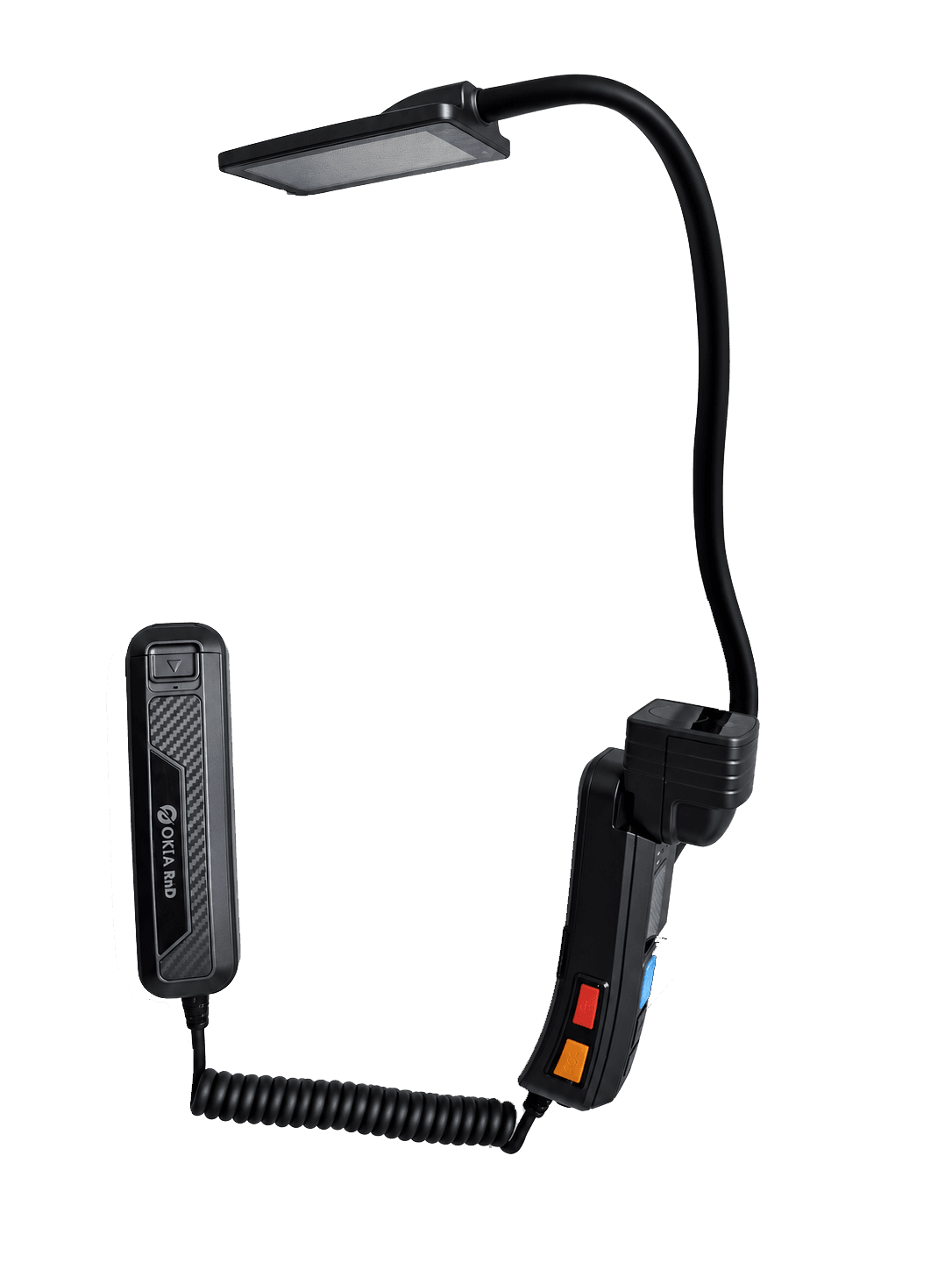
The helmet-mounted design eliminates the need to hold the device by hand, leaving both hands completely free for work.
Fire Predator Series
Choose a model
Fire Detection
A helmet-mounted thermal detection device for locating residual fires and hot spots in real time
A helmet-mounted system that lets firefighters and wildfire crews keep both hands free while identifying heat sources and people through smoke and sharing field video and location data with an integrated command center.
Deployment information
Quotation after reviewing site requirements
Fire Predator 2
Predator 2 is a connected smart safety system that combines a helmet-mounted thermal camera with voice communication, video sharing, emergency calls, and location tracking to support collaboration between field workers and the control center.
Connected operation
Predator 1 thermal imaging features, plus connected field collaboration tools.
Field workflow
Thermal, location, and video data connect field crews with control-room personnel throughout the response.
Attach Predator 2 to the worker’s helmet and turn on the device.
Check heat sources and high-temperature areas on site via the thermal display.
Use the PTT button to communicate with other workers or the control room when needed.
Share live field video and worker location data remotely with the control room.
Send an alert using the SOS feature in an emergency.
Receive response guidance from the control room based on the field data.
Model comparison
Compare the models according to communication conditions and collaboration needs. The Predator 2 column is highlighted on this page.
| Category | Predator 1 | Predator 2 |
|---|---|---|
| Product Type | Standalone helmet-mounted thermal camera | Connected helmet-mounted integrated safety system |
| Thermal Imaging | Supported | Supported |
| Standalone Operation | Supported · No network needed | Available · Control-room connection is standard |
| Physical Buttons | Supported · 4 buttons on body | Supported · PTT, SOS, flashlight, and more |
| Voice Communication | Not supported | PTT supported |
| Video Call | Not supported | Supported |
| SOS | Not supported | Supported |
| GPS Location | Not supported | Supported |
| Remote Control Room Link | Not supported | Supported |
| Photo & Video Storage | Supported | Stored on internal hardware |
| Flashlight | Not supported | Dedicated physical button |
| Primary Environment | Independent inspections, small sites, and sites without communication infrastructure | Team operations, control-room-connected sites, and disaster response |
| Recommended Users | Equipment inspectors, solo inspectors, and wildfire firefighters | Wildfire crews, firefighters, rescue teams, and incident commanders |
| Core Selection Criteria | Thermal image checking | Communication and remote collaboration |
| Key Term | Standalone | Connected |
Integrated control
Predator 2 adds connectivity to Predator 1’s thermal imaging functions, allowing a control center to monitor crew locations, video, status, automatic alerts, and saved records in real time.
Product brochure
Review the functions, specifications, and applications of Predator 1 and Predator 2. Select either image to enlarge it.
Hands-free detection
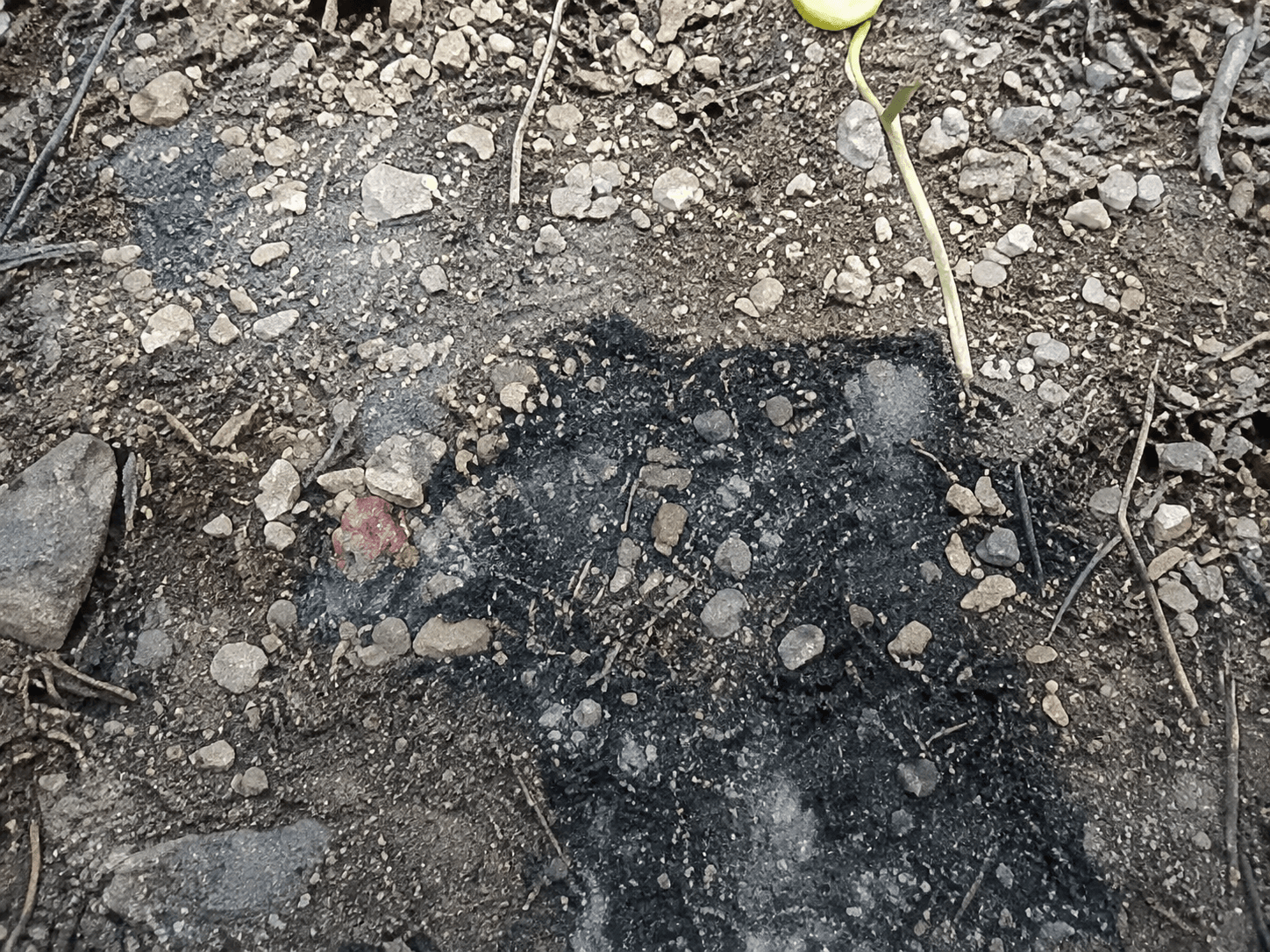
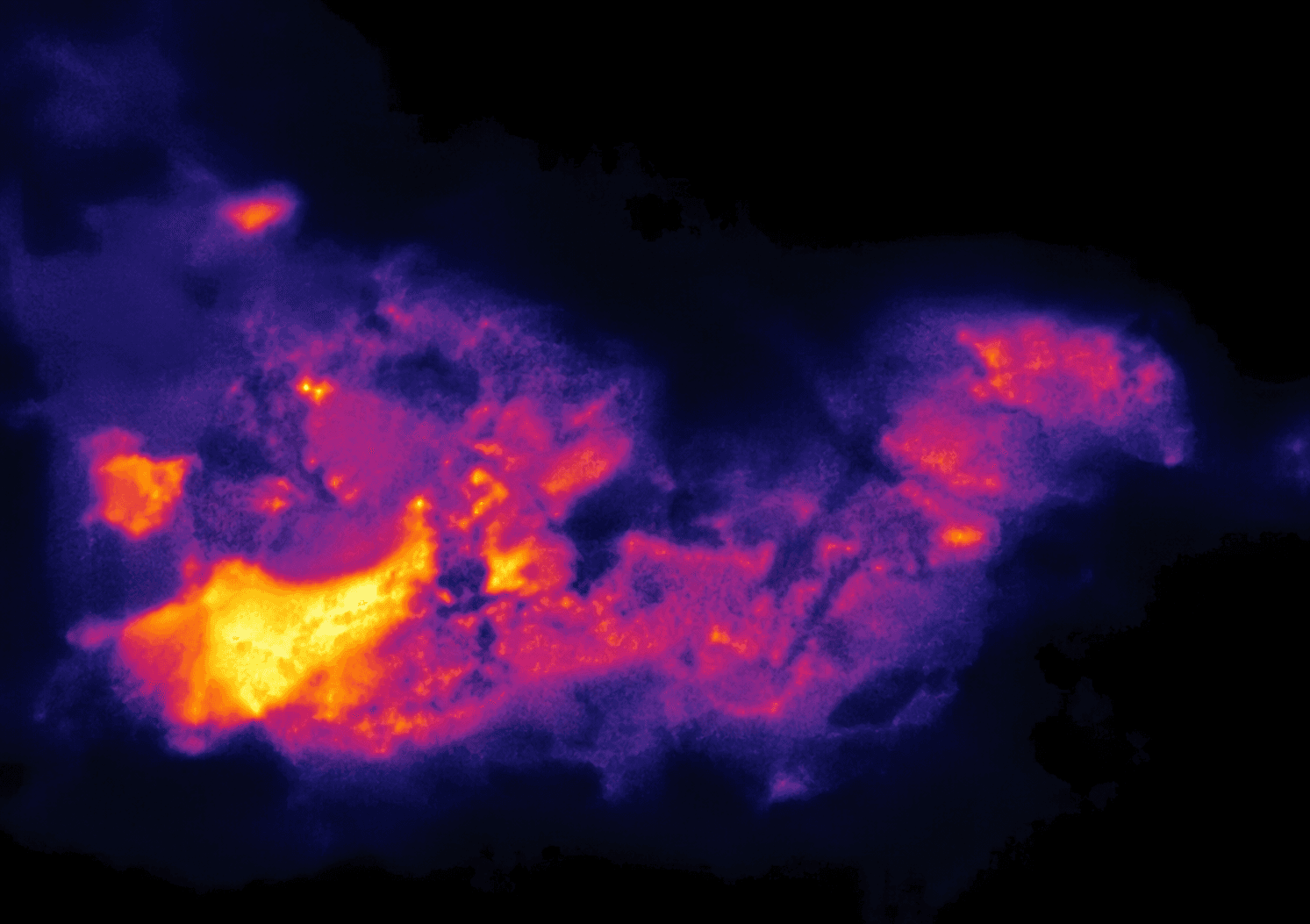
The hands-free configuration allows crews to locate residual fires, hot spots near combustible gases, and people through smoke without holding a device, improving continuity during search and suppression operations.
Key features
The Predator Series is a line of products developed to allow workers to check thermal distribution and abnormal temperatures through a helmet-mounted device, without needing to carry a separate handheld thermal camera. Predator 1 is a Standalone model focused on thermal imaging, while Predator 2 is a Connected model that combines thermal imaging with voice communication, video calling, SOS, location tracking, and control room integration.
The helmet-mounted design eliminates the need to hold the device by hand, leaving both hands completely free for work.
Identify heat sources, embers, and overheated areas that are difficult to see with the naked eye using thermal distribution imaging.
Quickly respond to thermal hazards on site with automatic threshold temperature detection and real-time alerts.
Operate key functions mainly via physical buttons, tailored for environments involving gloves, dust, and smoke.
Empowers workers to maintain situational awareness and facilitates rapid emergency response when necessary.
Field workflow
Rapidly locating residual embers and hot spots improves field response while reducing the time and workload required for suppression operations.
Fire detectioncapabilityimproved bymore than 20 times
Working timereduced bymore than 20 times
Working intensityreduced bymore than 5 time
Field evidence
Conventional sites often lack equipment for directly detecting remaining embers, making operations difficult and time-consuming while leaving a risk of wildfire re-ignition.
Field applications
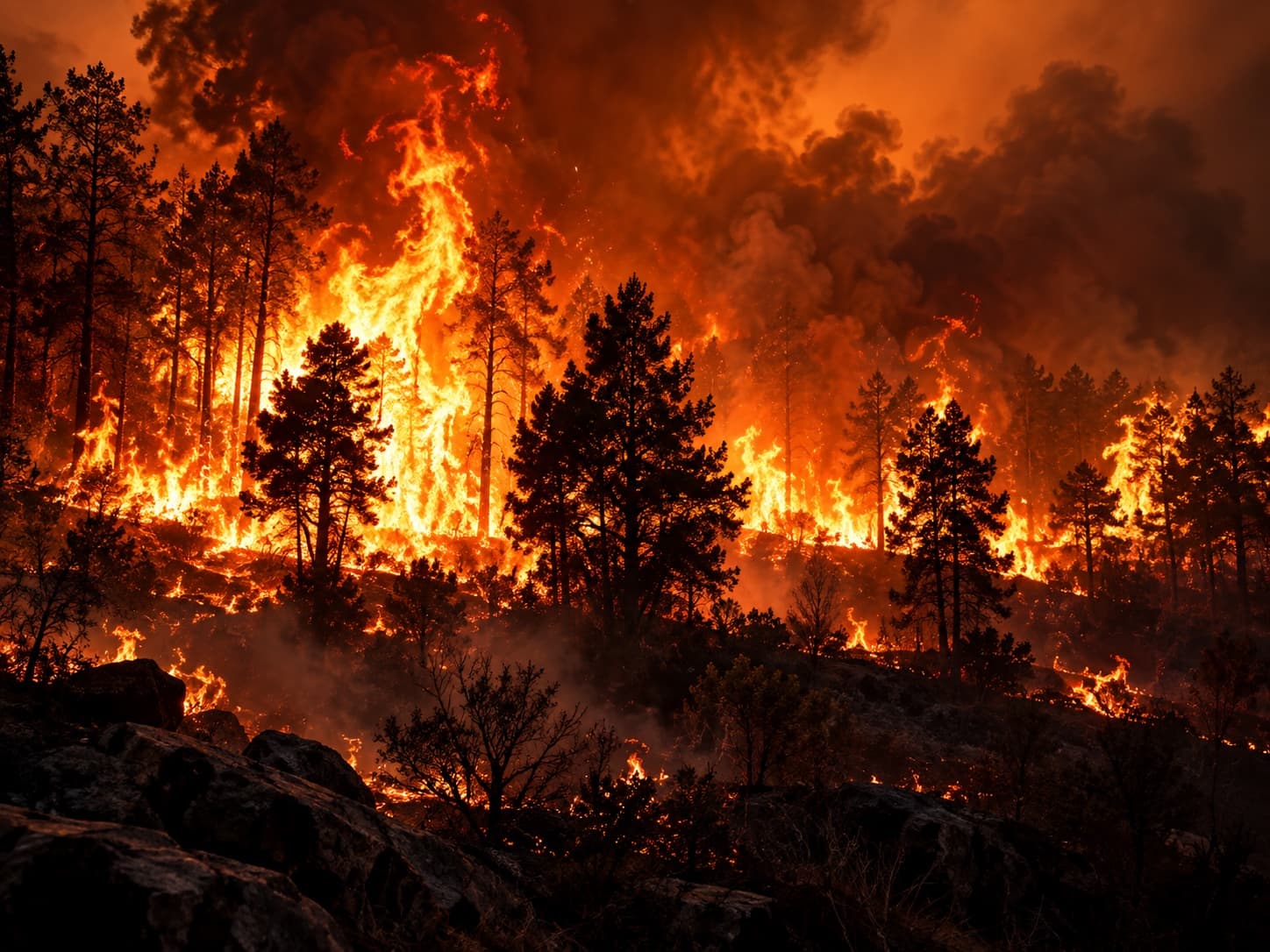
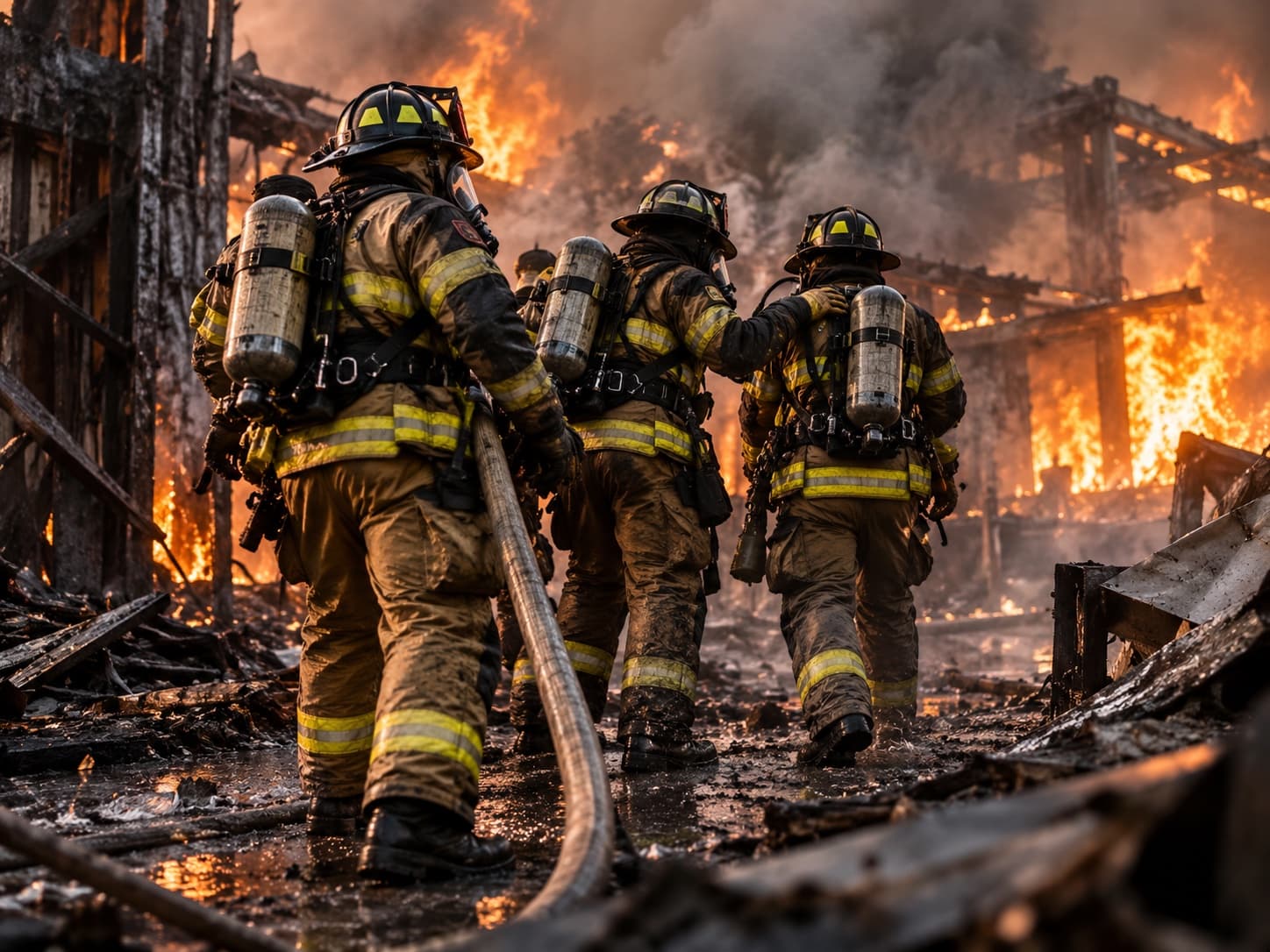
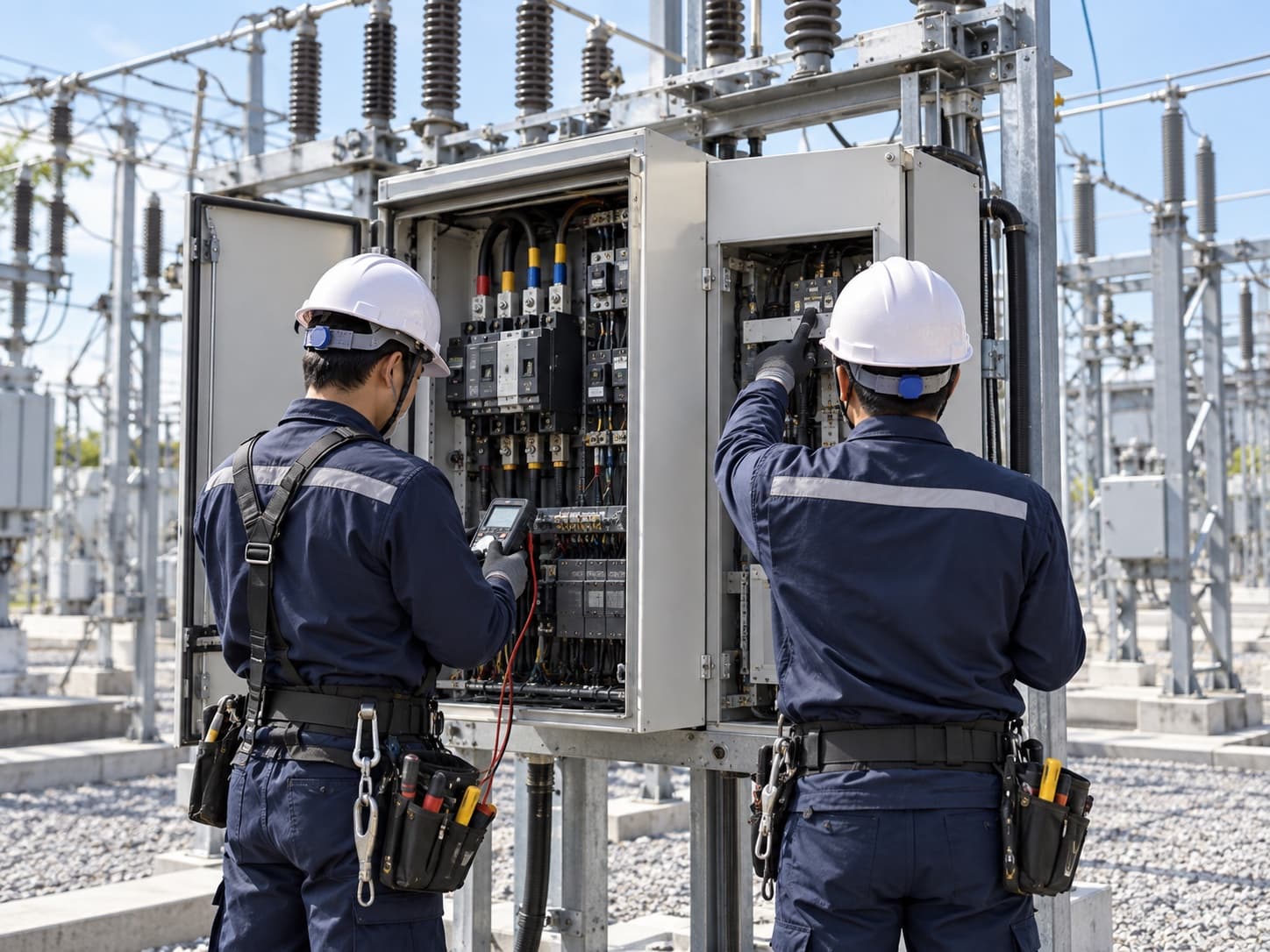
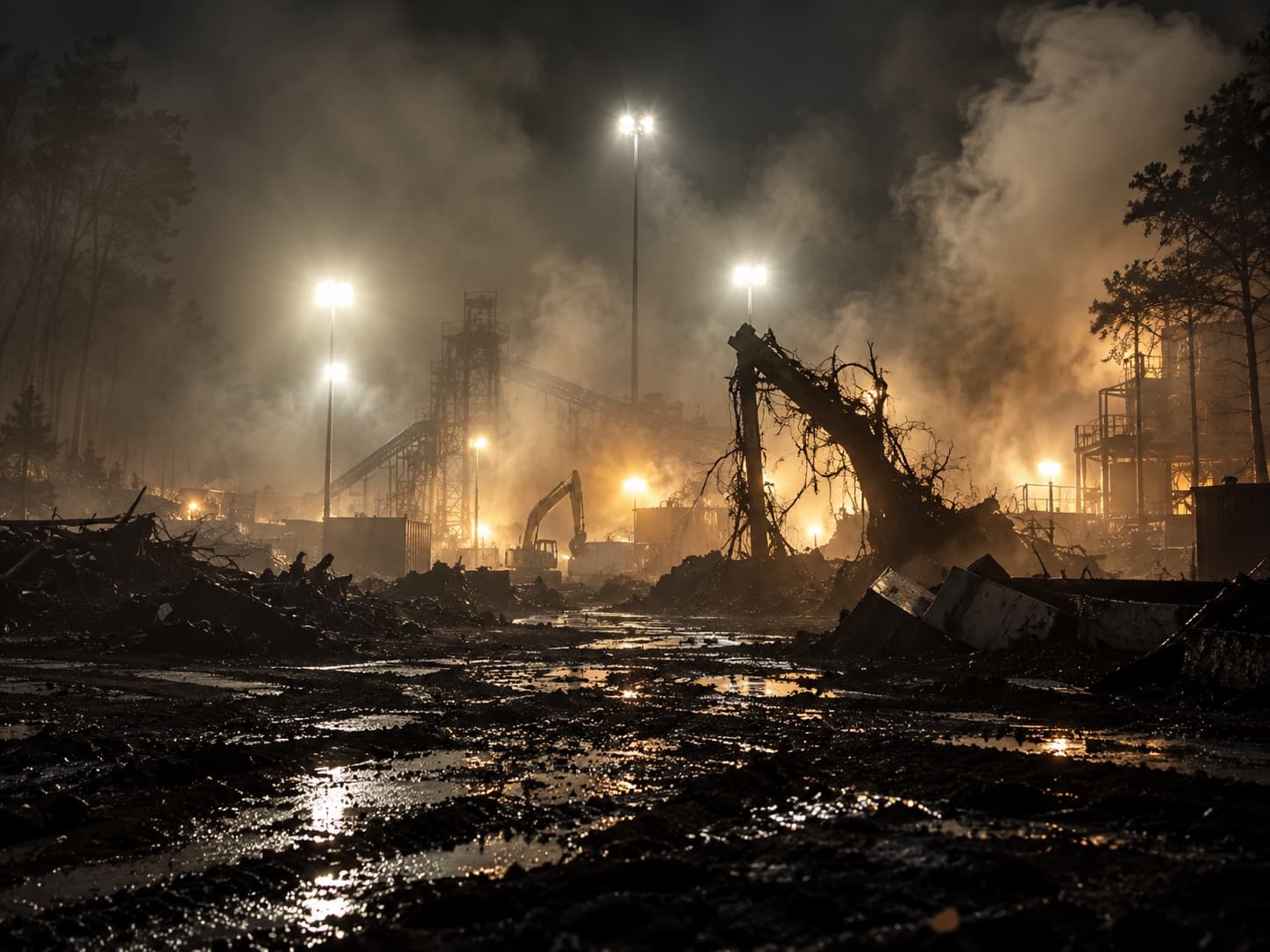
Fire Predator supports heat-source and ember detection in wildfire and firefighting operations, preventive inspections of electrical and industrial facilities, and safer work in low-visibility environments.

Product consultation
Tell us about your operating environment and requirements, and we will recommend a suitable deployment approach.